
Do your little bit of good where you are;
it's those little bits of good put together that overwhelm the world.


 From 1979 to 2011, the average income of the bottom 99 percent of U.S. taxpayers grew by 18.9 percent, while the average income of the top 1 percent grew over 10 times as much—by 200.5 percent. (Image: Common Dreams)Over the last three decades the wealth of the nation's very richest 1% has grown ten times that of the average worker and over that time period that same tiny elite has captured more than half of the entire income increases, leaving the bottom 99% to divide the remaining gains.


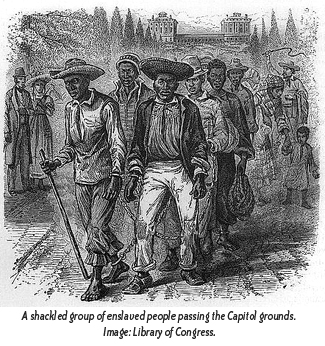 Schools across the country are adorned with posters of the 44 U.S. presidents and the years they served in office. U.S. history textbooks describe the accomplishments and challenges of the major presidential administrations -- George Washington had the Revolutionary War, Abraham Lincoln the Civil War, Teddy Roosevelt the Spanish-American War, and so on. Children's books put students on a first-name basis with the presidents, engaging readers with stories of their dogs in the Rose Garden or childhood escapades. Washington, D.C.'s Smithsonian Institution welcomes visitors to an exhibit of the first ladies' gowns and White House furnishings.
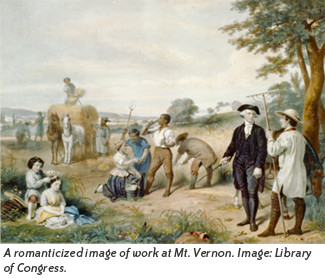 George Washington's stated antislavery convictions misaligned with his actual political behavior. While professing to abhor slavery and hope for its eventual demise, as president Washington took no real steps in that direction and in fact did everything he could to ensure that not one of the more than 300 people he owned could secure their freedom. During the 10 years of construction of the White House, George Washington spent time in Philadelphia where a law called the Gradual Abolition Act passed in 1780. It stated that any slaves brought into the state were eligible to apply for their freedom if they were there for longer than six months. To get around the law, Washington rotated the people working for him in bondage so that they were there for less than six months each.
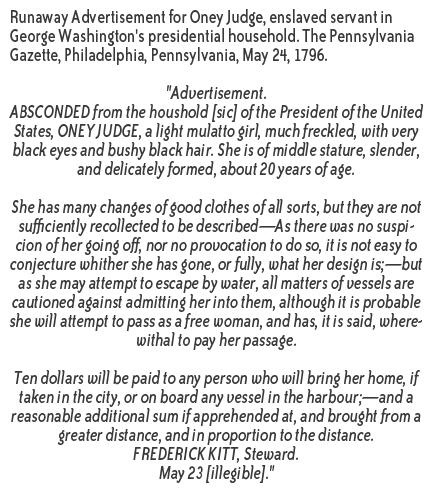 Despite Washington's reluctance to carry out his stated antislavery predilections, the movement against slavery grew anyway, including within the president's very own household among the men and women he enslaved. One of the presidential slaves was Ona "Oney" Maria Judge. In March 1796 (the year before Washington's second term in office ended), Oney was told that she would be given to Martha Washington's granddaughter as a wedding present. Oney carefully planned her escape and slipped out of the Washingtons' home in Philadelphia while the Washingtons were eating dinner. Oney Judge fled the most powerful man in the United States, defied his attempts to trick her back into slavery, and lived out a better life. After her successful attempt became widely known, she was a celebrity of sorts. Her escape from the Washingtons fascinated journalists, writers, and others, but more important, it was an inspiration to the abolition movement and other African Americans who were being enslaved by whites.
 By the age of 10, Paul Jennings was enslaved at the White House as a footman for James Madison, the fourth president of the United States. When he got older, Dolley Madison hired out Jennings, keeping every "last red cent" of his earnings. Dolley indicated in her will that she would give Jennings his freedom, but instead sold him before she died. Thankfully, Daniel Webster intervened and purchased his freedom. Soon after, Paul Jennings helped plan one of the most ambitious and daring efforts to liberate enslaved blacks in U.S. history, thePearl Affair. It was not successful, but as with John Brown's raid, the political repercussions lasted for decades and strengthened the abolitionist cause. Paul Jennings went on to become the first person to write a memoir of a firsthand experience working in the White House.


